
The 2010 Toyota Prius boasts a sleek design and exceptional fuel economy—around 50 MPG. Accessing the user manual provides vital instructions for optimal operation.
Overview of the 2010 Prius Model
The 2010 Toyota Prius represents a significant advancement in hybrid technology, offering a compelling blend of fuel efficiency and practicality. This mid-size hybrid delivers approximately 50 miles per gallon, making it an economical choice. The user manual is crucial for understanding its unique features, including the hybrid system. It details operation, maintenance, and safety procedures. Downloading a PDF manual provides convenient access to comprehensive instructions, ensuring owners can maximize their Prius experience and address potential issues effectively.
Importance of the User Manual
The 2010 Toyota Prius user manual is essential for safe and efficient vehicle operation. It provides detailed instructions on utilizing the hybrid system, understanding warning lights, and performing routine maintenance. Accessing the manual – often available as a PDF download – ensures owners grasp the car’s unique features. Ignoring it risks improper use, potentially impacting fuel economy or even causing mechanical issues. Familiarity with the manual maximizes the Prius ownership experience.

Vehicle Features and Controls
The 2010 Prius features a modern dashboard, intuitive steering wheel controls, and a user-friendly climate and audio system—details found within the manual.
Dashboard Layout and Instrument Panel
The 2010 Prius’s dashboard is designed for optimal visibility and ease of use. The instrument panel prominently displays vital information, including speed, fuel level, and hybrid system status. Familiarize yourself with warning lights detailed in the user manual. The multi-information display provides additional data, such as energy consumption and trip information. Understanding each gauge and indicator ensures safe and efficient driving. Consult the manual for specific explanations of each feature and its function, maximizing your driving experience and awareness of the vehicle’s performance.
Steering Wheel Controls and Functions
The 2010 Prius features integrated controls on the steering wheel for convenient operation of key functions. These include audio controls, Bluetooth connectivity, and cruise control settings. The user manual details the precise location and operation of each button and switch. Utilize these controls to adjust volume, change tracks, answer calls, and maintain a set speed without removing your hands from the wheel; Proper understanding, as outlined in the manual, enhances safety and provides a more enjoyable driving experience.
Climate Control System Operation
The 2010 Prius’s climate control system offers efficient heating and cooling. The user manual explains how to adjust temperature, fan speed, and airflow direction. It details the ‘Auto’ mode for automated climate control and the recirculation function for quicker temperature adjustments. Understanding the system’s features, as described in the manual, ensures passenger comfort. The manual also covers operation of the smart key system related to climate pre-conditioning, maximizing efficiency and convenience.
Audio System and Entertainment Features
The 2010 Prius’s audio system, detailed in the user manual, includes AM/FM radio, a CD player, and auxiliary input. The manual explains how to navigate the system’s menus, adjust sound settings, and utilize Bluetooth connectivity for hands-free calling and audio streaming. It also covers operation of the optional JBL premium sound system. Understanding these features, as outlined in the manual, enhances the driving experience and ensures safe operation while enjoying entertainment.

Driving the 2010 Prius
The user manual details starting, stopping, and understanding the hybrid system. It explains driving modes—EV, ECO, and PWR—for optimized performance and efficiency.
Starting and Stopping the Hybrid System
The 2010 Prius user manual provides detailed instructions for safely initiating and concluding operation of the hybrid system. To start, ensure the vehicle is in ‘P’ and press the power button without depressing the brake pedal. The system will then initialize. Stopping involves shifting to ‘P’ and pressing the power button again.
The manual emphasizes that the hybrid system automatically manages the transition between gasoline and electric power, optimizing fuel efficiency. Familiarize yourself with these procedures for a smooth and safe driving experience.
Understanding the Hybrid System Indicator
The 2010 Prius user manual details the hybrid system indicator’s function, displaying the energy flow between the engine, battery, and electric motor. It visually represents whether the vehicle is running on gasoline, electricity, or a combination of both.
Understanding this indicator, as explained in the manual, helps drivers optimize fuel efficiency by monitoring driving habits. Different segments and animations illustrate the system’s current operational mode, providing valuable insight into energy usage.
Driving Modes: EV, ECO, and PWR
The 2010 Prius user manual explains three distinct driving modes: EV, ECO, and PWR. EV mode prioritizes electric-only driving at lower speeds, maximizing fuel efficiency for short distances. ECO mode optimizes throttle response and climate control for enhanced fuel economy during typical driving conditions.
PWR mode boosts engine and motor output, providing increased acceleration and performance. The manual details how each mode impacts vehicle operation and fuel consumption, allowing drivers to select the best setting for their needs.
Braking System and Regenerative Braking
The 2010 Prius user manual thoroughly describes the braking system, highlighting its regenerative capabilities. This innovative system captures kinetic energy during deceleration, converting it into electricity to recharge the hybrid battery. The manual explains how regenerative braking contributes to improved fuel efficiency.
It also details the operation of the conventional friction brakes, emphasizing their seamless integration with the regenerative system for optimal stopping power and control in various driving scenarios.
Maintenance and Care
The 2010 Prius user manual details a recommended maintenance schedule, covering fluid checks (oil, coolant, brake fluid), tire care, and battery upkeep.
Recommended Maintenance Schedule
The 2010 Toyota Prius user manual outlines a crucial maintenance plan for longevity. Regular inspections, at 5,000-mile intervals, include fluid level checks and tire rotations. More extensive services, like engine oil and filter changes, are recommended every 10,000 miles. The manual also details inspections of brake components, cooling systems, and belts. Following this schedule ensures optimal performance, fuel efficiency, and prevents potential costly repairs, keeping your Prius running smoothly for years to come.
Checking and Replacing Fluids (Oil, Coolant, Brake Fluid)
The 2010 Toyota Prius user manual details fluid maintenance procedures. Regularly check engine oil levels using the dipstick, replenishing as needed with the specified grade. Coolant levels should be inspected when the engine is cold, adding a 50/50 mix of coolant and water. Brake fluid levels are also critical; consult the manual for the correct type and replacement intervals. Proper fluid maintenance ensures optimal system performance and prevents damage, extending the life of your Prius.
Tire Maintenance: Pressure and Replacement
The 2010 Toyota Prius user manual emphasizes proper tire care for safety and efficiency. Regularly check tire pressure—found on the driver’s side doorjamb—using a gauge, adjusting when cold. Inspect tires for wear and damage, replacing them when tread depth reaches the indicators. Rotate tires according to the recommended schedule in the manual. Using the correct tire size and maintaining proper inflation maximizes fuel economy and handling performance, ensuring a smooth and safe driving experience.
Battery Care and Maintenance
The 2010 Toyota Prius user manual details hybrid battery care. While sealed and requiring minimal maintenance, avoid extreme temperatures and prolonged inactivity. The manual advises against attempting self-repair of the high-voltage battery. Regular vehicle use helps maintain battery health. Monitoring the hybrid system indicator for warnings is crucial. Proper charging through regenerative braking extends battery life. Consult a Toyota dealer for any concerns regarding battery performance or diagnostics.

Safety Features
The 2010 Prius user manual details airbag systems, ABS, and Vehicle Stability Control (VSC). These features enhance passenger protection during various driving conditions.
Airbag System and Safety Restraints
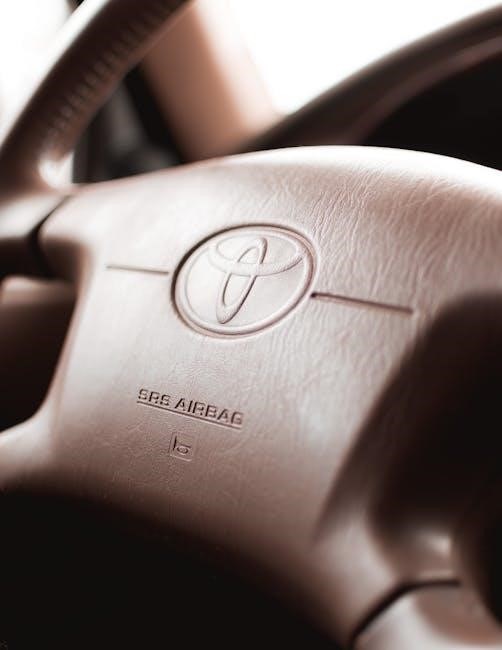
The 2010 Toyota Prius user manual provides comprehensive details regarding the airbag system, including frontal, side, and curtain airbags. It emphasizes the importance of proper seatbelt usage alongside airbags for maximum safety. The manual outlines specific precautions, such as never placing rear-facing child seats in front of active airbags. It also details the system’s operation during collisions and clarifies potential risks, stressing that airbags supplement, not replace, safety belts. Understanding these features, as described in the manual, is crucial for all occupants.
Anti-lock Brake System (ABS)
The 2010 Toyota Prius user manual thoroughly explains the Anti-lock Brake System (ABS). ABS prevents wheel lock-up during braking, enhancing steering control, especially on slippery surfaces. The manual instructs drivers to maintain firm, steady pressure on the brake pedal during ABS activation—a pulsating sensation is normal. It cautions against pumping the brakes, as this deactivates ABS. Proper understanding, detailed within the manual, ensures effective use of this vital safety feature, improving overall vehicle control.
Vehicle Stability Control (VSC)
The 2010 Toyota Prius user manual details the Vehicle Stability Control (VSC) system. VSC helps prevent skidding by managing braking and engine power when loss of control is detected. The manual advises drivers to avoid abrupt steering or braking maneuvers that could trigger VSC. A VSC indicator light illuminates during system operation, signifying active intervention. Understanding VSC’s function, as outlined in the manual, enhances driver awareness and promotes safer handling in challenging driving conditions.

Technical Specifications
The 2010 Toyota Prius user manual provides detailed engine, motor, and battery specifications, alongside crucial fuel economy information for informed vehicle understanding.
Engine and Motor Specifications
The 2010 Toyota Prius user manual details the engine as a 1.8L 4-cylinder, producing 95 horsepower. It also specifies the electric motor’s output, contributing to a combined system horsepower of 134. The manual clarifies the engine’s compression ratio and fuel injection system type. Furthermore, it outlines the motor’s type—a permanent magnet synchronous motor—and its voltage. Understanding these specifications, as detailed in the manual, is crucial for comprehending the Prius’s hybrid powertrain functionality and performance characteristics.
Battery Specifications
The 2010 Toyota Prius user manual specifies a 201.6V Nickel-Metal Hydride (Ni-MH) battery pack. It details the battery’s capacity, crucial for understanding the electric driving range. The manual also outlines the battery’s cooling system—liquid-cooled—and its location within the vehicle. Furthermore, it provides information regarding the battery’s warranty coverage and expected lifespan. Proper battery care, as described in the manual, is essential for maintaining optimal hybrid system performance and longevity of the Prius.
Fuel Economy Information
The 2010 Toyota Prius user manual highlights exceptional fuel efficiency, stating a combined EPA estimate of 50 miles per gallon. It details how driving habits significantly impact fuel economy, advising techniques for maximizing MPG. The manual explains the hybrid system’s contribution to fuel savings and clarifies the influence of factors like climate control usage. Understanding the Prius’s fuel economy indicators, as described, helps drivers optimize performance and reduce environmental impact, per the manual’s guidance.
Using the USB Interface
The 2010 Prius user manual details connecting USB devices like memory players or iPods; supported file formats are specified within the manual’s instructions.
Connecting USB Devices
The 2010 Toyota Prius’s user manual provides clear instructions for connecting USB devices. Begin by locating the USB port, typically found within the center console. Ensure your USB memory player or iPod is compatible before connecting. Open the port cover and carefully insert the USB connector. The system will then recognize the device, allowing access to stored audio files. Refer to the manual for specific file format support and potential troubleshooting steps if the device isn’t immediately recognized. Proper connection ensures seamless audio playback.
Supported File Formats
The 2010 Toyota Prius’s audio system, as detailed in the user manual, supports a range of digital audio file formats via USB connection. Commonly compatible formats include MP3, and WMA. However, the manual may specify limitations regarding bitrates or file sizes for optimal playback. Unsupported formats will likely not be recognized by the system. Always consult the manual for a comprehensive list and to ensure your files are formatted correctly for seamless audio enjoyment within your Prius.
Troubleshooting USB Connection Issues
If experiencing USB connectivity problems with your 2010 Toyota Prius, the user manual suggests several checks. First, ensure the USB device is fully compatible and formatted correctly. Try a different USB port or cable. Confirm the device isn’t requesting excessive power. A system reset, as outlined in the manual, can sometimes resolve conflicts. If issues persist, consult a Toyota dealer for further assistance and potential software updates.

Troubleshooting Common Issues
The 2010 Prius manual details solutions for warning lights, starting problems, and unusual noises, guiding owners through quick diagnostics and resolutions.
Hybrid System Warning Lights
The 2010 Toyota Prius manual dedicates significant attention to interpreting hybrid system warning lights. These indicators signal potential issues ranging from minor malfunctions to critical system failures. Understanding each light’s specific meaning—such as the check engine or hybrid system warning—is crucial for safe operation. The manual provides detailed explanations, recommended actions, and guidance on when to seek professional assistance. Ignoring these warnings could lead to further damage or compromise vehicle performance, so prompt attention is always advised, referencing the manual for precise troubleshooting steps.
Starting Problems
The 2010 Toyota Prius manual addresses potential starting issues, a common concern for hybrid vehicles. It details troubleshooting steps if the vehicle fails to start, emphasizing checking the 12-volt auxiliary battery and the hybrid battery system. The manual explains the ‘ready’ mode sequence and suggests verifying proper brake pedal engagement. It also advises against repeated starting attempts, which can drain the hybrid battery. If problems persist, the manual recommends consulting a Toyota dealer for professional diagnosis and repair, ensuring safe operation.
Unusual Noises
The 2010 Toyota Prius manual guides owners in identifying and addressing unusual sounds. It details potential sources, ranging from normal hybrid system operation—like electric motor whirring—to concerning mechanical noises. The manual advises investigating sounds from the braking system, engine, or undercarriage. It stresses the importance of promptly addressing any persistent or loud noises, recommending a Toyota dealer inspection to prevent potential damage or safety hazards. Ignoring unusual sounds could lead to costly repairs.
Emergency Procedures
The 2010 Prius manual details accident responses, jump-starting the hybrid battery, and accessing roadside assistance—crucial for unexpected situations and driver safety.
What to Do in Case of an Accident
Following an accident involving your 2010 Toyota Prius, ensure the safety of all occupants first. Immediately activate hazard lights and assess the situation. The user manual emphasizes securing the vehicle to prevent further incidents. Contact emergency services and report the accident details accurately. Document the scene with photos, if possible, and exchange information with other involved parties. Retain a copy of the police report and any insurance claim details for future reference, as outlined in the manual.
Jump Starting the Hybrid Battery
If the 12-volt battery in your 2010 Toyota Prius is depleted, a jump start may be necessary. The user manual details a specific procedure, differing from conventional vehicles. Locate the jump start terminal in the engine compartment. Connect the jumper cables carefully, observing polarity. Allow the Prius to charge for a period before disconnecting, as instructed. Improper jump starting can damage the hybrid system; always consult the manual for precise steps and safety precautions.
Roadside Assistance Information
Your 2010 Toyota Prius comes with available roadside assistance, detailed within the user manual. This service provides support for issues like flat tires, lockouts, and battery failures. The manual lists the 24/7 contact number for Toyota’s roadside assistance program. Keep this number readily accessible. Coverage details, including limitations and potential costs, are fully explained in the warranty section of the manual, ensuring peace of mind on the road.

Detailed System Descriptions
The 2010 Prius user manual thoroughly explains the hybrid, brake, and charging systems, detailing component functions and operational intricacies for informed understanding.
Hybrid System Operation Explained
The 2010 Toyota Prius’s hybrid system seamlessly integrates a gasoline engine with an electric motor, optimizing fuel efficiency. The user manual details how the system automatically switches between these power sources, or combines them, based on driving conditions. It clarifies the roles of the engine, motor, generator, and battery pack. Understanding this interplay, as outlined in the manual, is crucial for maximizing fuel economy and appreciating the vehicle’s innovative technology. The manual also explains regenerative braking’s contribution to battery charging, further enhancing efficiency.
Brake System Components and Function
The 2010 Toyota Prius utilizes a sophisticated brake system, detailed in the user manual, incorporating both hydraulic and regenerative braking. The manual explains the function of components like the master cylinder, brake booster, and wheel cylinders. Crucially, it clarifies how regenerative braking captures kinetic energy during deceleration, converting it into electricity to recharge the hybrid battery. The manual emphasizes the importance of maintaining proper brake fluid levels and inspecting brake pads for wear, ensuring optimal stopping performance and safety.
Charging System Details
The 2010 Toyota Prius’s user manual thoroughly explains its charging system. It details how the hybrid battery recharges through regenerative braking and the gasoline engine. The manual clarifies that the Prius doesn’t require plugging in for charging, unlike later models. It also outlines the system’s components, including the inverter and converter/cooler assembly. Proper operation, as described in the manual, ensures efficient energy recovery and optimal hybrid system performance, maximizing fuel economy.

Warranty Information
The 2010 Toyota Prius user manual details coverage specifics and claim procedures for various components, ensuring owner peace of mind and protection.
Coverage Details
The 2010 Toyota Prius user manual meticulously outlines the warranty’s scope, covering powertrain, emissions, and specific component failures. It specifies durations for basic, powertrain, and emissions coverage, often extending several years or mileage limits. Details regarding what’s included—like repairs and replacements—are clearly defined.
Furthermore, the manual explains exclusions, such as wear-and-tear items or damage from misuse. Understanding these specifics is crucial for maximizing warranty benefits and addressing potential issues promptly.
Claim Procedures
The 2010 Toyota Prius user manual details a straightforward claim process. Initially, contact an authorized Toyota dealership for diagnosis and repair. Keep meticulous records of all service visits, including dates, descriptions of issues, and repair orders. The manual clarifies required documentation—like proof of maintenance—for warranty claims.
It also explains how to submit claims, potentially involving the dealership directly or contacting Toyota Customer Service. Understanding these steps ensures a smooth and efficient resolution process.

Index and Contact Information
The 2010 Prius manual features an alphabetical index for quick topic location. Toyota Customer Service details are provided for assistance and inquiries.
Alphabetical Index of Topics
The 2010 Toyota Prius owner’s manual includes a comprehensive alphabetical index designed for efficient navigation. Key topics such as airbag systems, audio controls, battery care, braking procedures, climate control operation, emergency procedures, and hybrid system details are readily accessible. Further indexed entries cover maintenance schedules, safety features, technical specifications, tire information, USB interface usage, and troubleshooting guides for common issues. This detailed index allows owners to quickly locate specific information, enhancing their understanding and safe operation of the vehicle.
Toyota Customer Service Contact Details
For assistance with your 2010 Toyota Prius, or questions regarding the user manual, Toyota provides several contact options. Owners can reach customer service through the official Toyota website, offering online chat and support forms. Alternatively, a dedicated phone line is available for direct assistance. The website also provides access to frequently asked questions and downloadable resources. Toyota aims to deliver prompt and helpful support, ensuring a positive ownership experience for all Prius drivers.