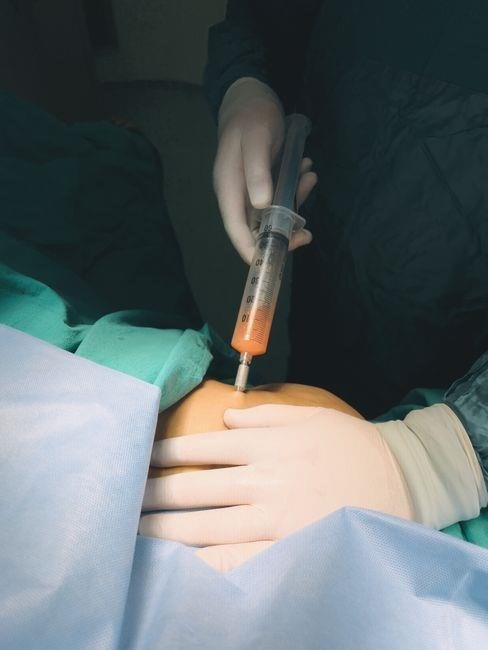
Overview of Ultrasound-Guided Steroid Injections
Ultrasound‑guided steroid injections offer precise delivery, reducing repeat visits․ Costs vary: equipment, provider fees, and medication contribute․ In the U․S․, average total ranges 150‑400 USD, with regional differences and insurance coverage influencing out‑of‑pocket expenses․ Insurance coverage varies․!!
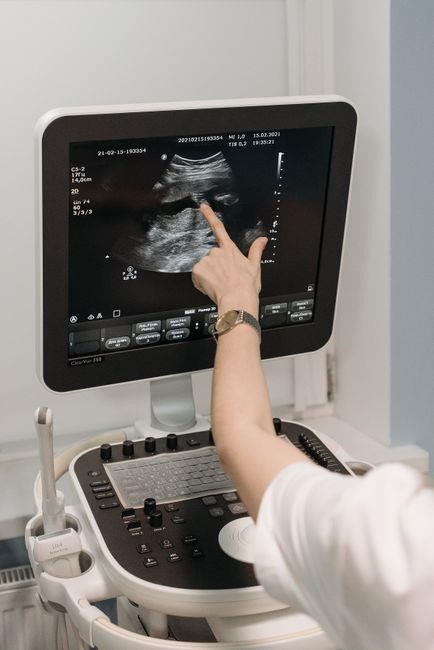
Clinical Indications and Benefits
Ultrasound‑guided steroid injections are indicated for carpal tunnel syndrome, greater trochanteric pain syndrome, posterior tibial tendon dysfunction, and other focal inflammatory conditions․ By visualizing the target structure, clinicians can accurately deposit the corticosteroid, reducing the risk of inadvertent nerve or vessel injury․
Clinical evidence shows significant symptom relief and functional improvement, with a lower recurrence rate compared to blind injections․ The precision of the technique also shortens procedure time and allows for dose optimization, potentially lowering medication costs over the long term․
Patients benefit from quicker return to daily activities and a reduced overall treatment burden․ Ultrasound guidance also minimizes the need for repeat visits, which can offset the higher initial equipment and training costs․
Economic analyses indicate that while the upfront cost of ultrasound equipment and provider training is higher, the total cost per patient can be comparable or lower when factoring in fewer repeat procedures and improved outcomes․ Insurance reimbursement varies, but many payers recognize the value of image‑guided injections in chronic musculoskeletal pain management․
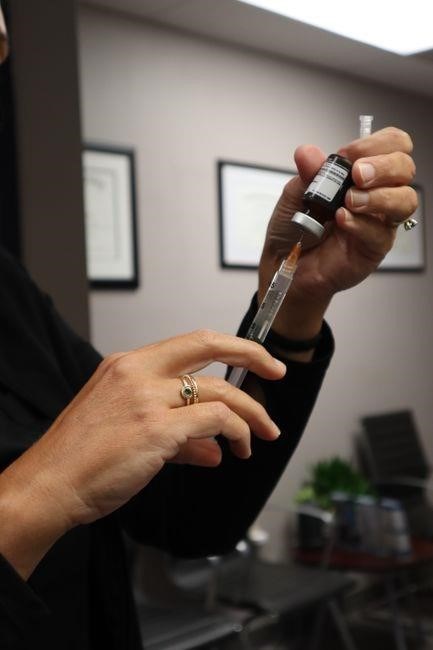
Procedure Workflow and Equipment
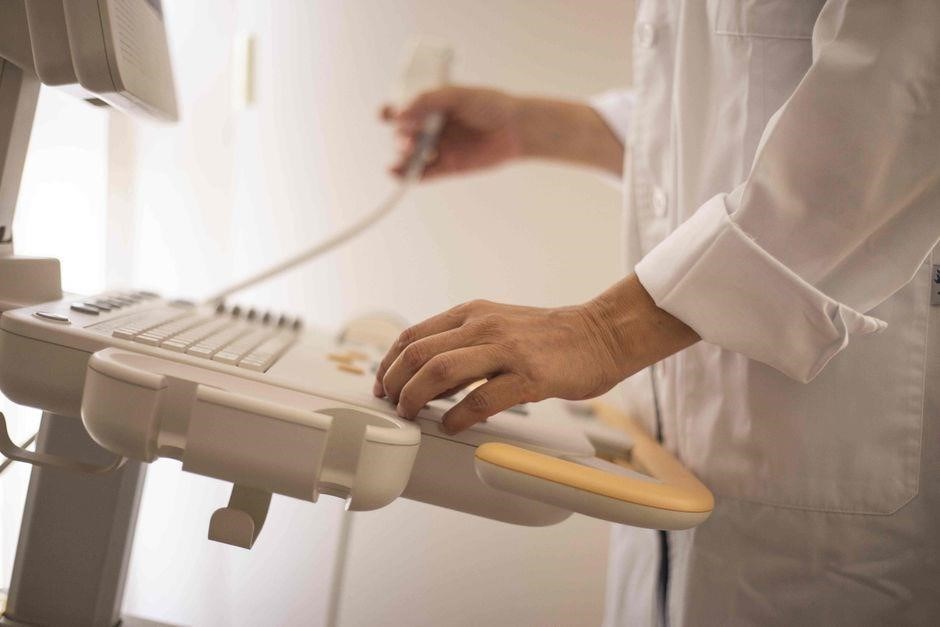
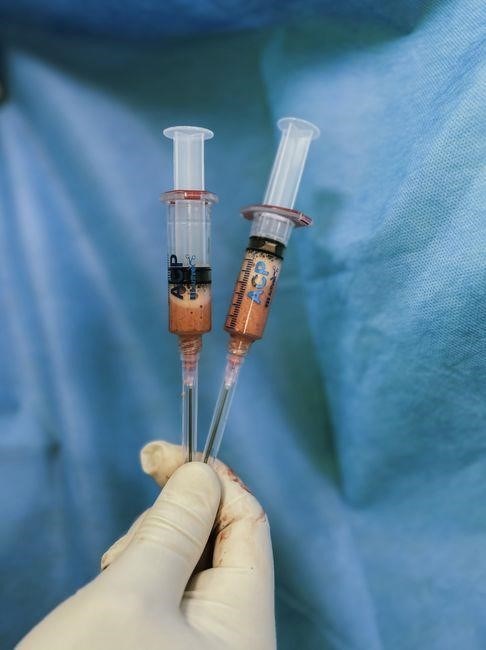
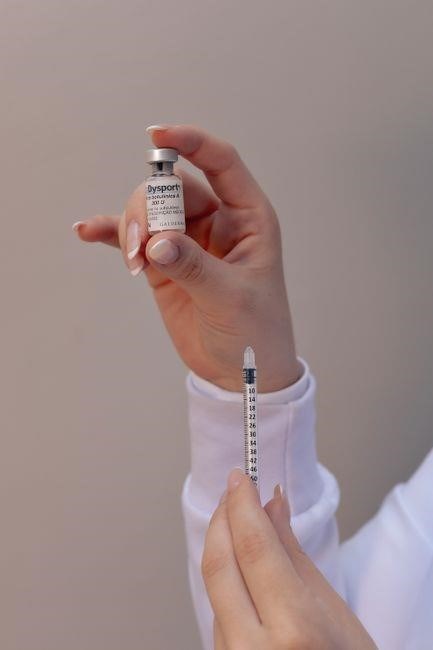
Preparation begins with patient positioning and skin antisepsis; A high‑frequency linear transducer (10–15 MHz) is selected for superficial structures; deeper targets use a curvilinear probe․ The sonographer applies sterile gel, then covers the probe with a disposable sterile sleeve․ The clinician establishes a sterile field, dons gloves, and uses a 22‑gauge, 1‑inch needle for most injections․ Steroid medication is drawn from a pre‑filled syringe or ampoule, ensuring correct dosage․ Real‑time imaging guides needle advancement, confirming placement adjacent to the inflamed tissue while avoiding neurovascular bundles․ Once the needle tip is visualized, the steroid is injected slowly, observing spread and patient tolerance․ Post‑injection, the site is inspected for complications, and a dressing is applied․ The entire workflow typically lasts 10–15 minutes, with the ultrasound machine’s console and probe accounting for the bulk of equipment costs․ Consumables—gel, sterile sleeves, needles, syringes, and medication—add incremental expense per procedure․ Maintenance of the ultrasound unit and periodic calibration are required to sustain image quality, influencing long‑term cost considerations․ The probe is positioned in either longitudinal or transverse orientation depending on the target․ Adjustments to depth, gain, and focus optimize visualization․ For joint injections, a small‑gauge needle is often preferred to reduce trauma․ The clinician may use a local anesthetic prior to steroid administration, which is also drawn from a separate syringe․ After injection, the patient is instructed on post‑procedure care, including activity modification and monitoring for adverse events․ Documentation includes image capture, dose, and procedural notes․ The workflow emphasizes sterility, precision, and patient comfort, all of which influence the overall resource utilization․ Equipment upgrades are reviewed․
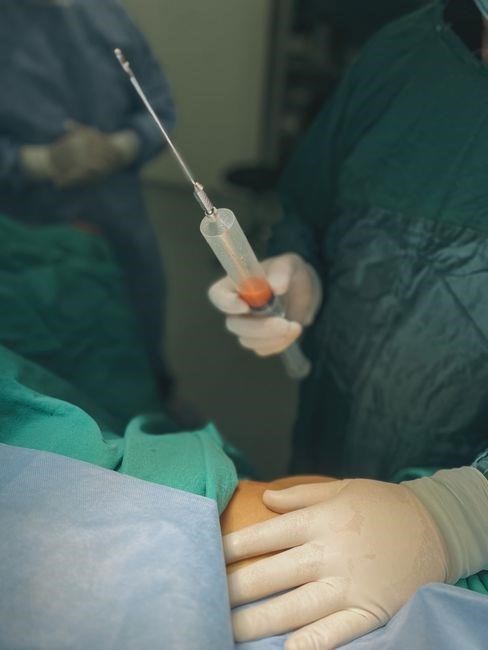
Factors Influencing Cost
Geographic variation, provider fees, equipment and facility charges, and steroid medication prices drive cost differences․ Urban centers and specialists charge higher rates; urban centers and newer ultrasound units and high‑grade probes increase overhead․ Medication cost varies with brand and dosage․ USD․??
Geographic Variation
In the United States, the cost of an ultrasound‑guided steroid injection varies widely by region․ Urban centers such as New York, Los Angeles, and Chicago typically charge $250–$350 per procedure, reflecting higher cost of living, provider reimbursement, and competition․ Rural and suburban areas often see lower rates, $150–$250․ These differences mirror state‑level Medicaid reimbursement caps, which can reduce out‑of‑pocket expenses in states with higher payment rates․ Internationally, countries with universal healthcare—Canada, the UK—offer the procedure for under $100 when billed through public services, whereas private clinics in high‑income European nations may charge up to $400․ Within the U․S․, regions with a high density of musculoskeletal specialists may provide more competitive pricing due to increased service volume․ Patients traveling to specialty centers for advanced imaging may incur additional travel and lodging costs, further amplifying the overall expense․ Understanding these regional nuances is essential for budgeting and negotiating insurance coverage․ Facility type shapes pricing: academic centers bundle imaging and injection, lowering costs; private practices charge a flat fee for the injection alone, while outpatient imaging suites add a separate imaging fee, raising the overall bill․ The steroid chosen—triamcinolone, methylprednisolone, or dexamethasone—can vary in cost, with some preparations priced up to $50 per dose․ Regional wage levels influence final charges making cross‑state comparisons complex․
Healthcare Provider Fees
In the United States, the fee a clinician charges for an ultrasound‑guided steroid injection reflects several factors: professional experience, specialty, and practice setting․ A board‑certified orthopaedic surgeon in a private practice in a metropolitan area typically bills $200–$300 for the procedure, whereas a sports‑medicine physician in a community clinic may charge $150–$200․ In academic medical centers, the fee can be higher—$350–$450—due to the inclusion of additional diagnostic services and the use of advanced imaging equipment․ The time required for the injection, usually 15–30 minutes, is factored into the fee; more complex cases such as multi‑level facet injections or injections into the sacroiliac joint may push the charge to $400–$500․ Some providers bundle the injection with a diagnostic ultrasound, adding $50–$100 to the base fee․ Conversely, physicians who perform the injection in a shared outpatient imaging suite often charge a lower fee, around $120–$180, but the facility imposes a separate imaging fee of $80–$120․ Medicare and Medicaid reimbursements vary by state; in states with higher reimbursement rates, providers may adjust their fees upward, while in states with lower rates, they may offer discounted rates to maintain patient volume․ Additionally, the type of steroid—triamcinolone acetonide, methylprednisolone acetate, or dexamethasone sodium phosphate—can influence the fee, as some preparations are more expensive and may be billed separately․ Patients who have private insurance often see the provider fee partially covered, but out‑of‑pocket costs can still range from $50 to $200 depending on deductible and co‑payment structures․ Finally, some clinicians offer a sliding‑scale fee based on income or a bundled “all‑in” price that includes the injection, imaging, and post‑procedure counseling, which can simplify budgeting for patients and reduce administrative overhead․ All fees are subject to change․ Check
Equipment and Facility Charges
Equipment and facility charges encompass the cost of the ultrasound machine, disposable probes, and the sterile field setup required for a safe injection․ In a typical outpatient setting, the ultrasound suite charges $80–$120 per session, reflecting depreciation, maintenance, and technician time․ Consumables such as gel, gloves, and single‑use probes add $20–$40․ When the procedure is performed in a dedicated interventional radiology suite, the facility fee can rise to $200–$300, as the room is equipped with high‑resolution imaging and backup imaging modalities․ Some practices bundle the ultrasound fee with the injection, offering a flat rate of $150–$250 that covers both imaging and procedural costs․ In academic hospitals, the fee may be higher—$350–$450—due to the inclusion of research overhead and advanced imaging technology․ Patients who receive the injection in a freestanding clinic often pay $70–$120 for the imaging portion, while the injection itself is billed separately․ Insurance plans may cover the imaging fee as a diagnostic service, but out‑of‑pocket costs can still range from $30 to $100 depending on deductible and co‑payment․ The variability in equipment and facility charges is a major driver of overall cost differences across regions․ Additionally, the cost of the ultrasound machine itself—often a multi‑year investment—can be amortized over dozens of procedures, but the initial capital expense may be reflected in higher facility fees, especially in smaller practices that lack shared imaging resources and gear!․
Steroid Medication Costs
The cost of the corticosteroid itself is a significant component of the total expense for an ultrasound‑guided injection․ Common agents—triamcinolone acetonide, methylprednisolone acetate, and betamethasone—are available in pre‑filled syringes ranging from $10 to $60 per dose, depending on concentration and volume․ Bulk purchasing agreements can reduce the price to $5–$15 per vial for high‑volume practices․ Generic formulations are typically 30–70 % cheaper than brand‑name equivalents, but some patients experience variable efficacy or tolerability․ The choice of steroid also influences the duration of symptom relief; for example, triamcinolone offers a longer half‑life, potentially reducing the need for repeat injections and thereby lowering cumulative costs over a year․ In addition to the drug price, pharmacy dispensing fees—often $2–$5 per prescription—add to the bill․ When the injection is performed in a hospital setting, the pharmacy may charge a higher fee due to institutional overhead․ Insurance plans may cover the medication cost as part of the procedural benefit, but copays for the drug can range from $10 to $30, depending on formulary status and patient tier․ For patients without insurance, the out‑of‑pocket expense for a single steroid dose can therefore fall between $12 and $70, with the upper end reflecting high‑potency, high‑volume preparations․ Finally, the cost of adjunctive local anesthetic—lidocaine or bupivacaine—though typically modest ($5–$15), is often bundled with the steroid and can influence the total medication cost, especially in resource‑constrained settings․ The price of the steroid is largest line item on the bill yet it can vary widely based on brand, volume, and pharmacy pricing agreements․ Thus, the drug price is a substantial portion of the injection cost!
Insurance Coverage and Reimbursement
Insurance coverage for ultrasound‑guided steroid injections varies widely across payers, with Medicare Part B typically covering the procedure when performed by a qualified provider and deemed medically necessary․ Private insurers often require prior authorization, especially for high‑volume or repeat injections․ Reimbursement rates are usually set by CPT codes 20610 (injection of a joint or bursa) or 20615 (injection of a tendon sheath), with modifiers for image guidance․ The average Medicare fee schedule lists $200–$350 for the procedure, while commercial plans may reimburse 70–90 % of the billed amount after deductibles․ Patients with high‑deductible plans may face significant out‑of‑pocket costs if the provider’s fee exceeds the insurer’s allowed amount․ Some insurers offer bundled payment models that include imaging, medication, and procedural fees, potentially simplifying billing but sometimes limiting the total reimbursement․ Additionally, the cost of the steroid itself may be partially covered under the pharmacy benefit manager, but copays can range from $10 to $30 depending on formulary status․ Recent policy changes emphasize value‑based care; providers who demonstrate reduced repeat visits or improved outcomes may qualify for enhanced reimbursement․ However, documentation of clinical necessity, precise injection site, and ultrasound confirmation is essential to secure coverage․ Patients should verify coverage details and obtain pre‑authorization to avoid unexpected charges․ Moreover, regional health plans provide supplemental stipend for imaging services, which can offset cost of ultrasound equipment rental, thereby reducing net expense for patients․ Provider billing codes and insurer payment policies often dictate final amount patients pay, making transparency in billing process vital for patient trust and financial planning․ Patients should review their documents for coverage limits․ This proactive step helps prevent bills․

Out-of-Pocket Expenses for Patients
Patients’ out‑of‑pocket expenses for ultrasound‑guided steroid injections depend on insurance structure, deductible status, and copay tiers․ In a typical commercial plan, after a $1,500 deductible, the patient may pay a 20 % coinsurance on the billed amount, often translating to $50–$120 for a single session․ Medicare beneficiaries with Part B coverage generally face a $20 copay per visit, while those on Medicare Advantage may encounter a $30–$40 copay or a 25 % coinsurance if the plan uses a fee‑for‑service model․ High‑deductible plans can push the patient’s out‑of‑pocket to $200–$300 if the provider’s fee exceeds the insurer’s allowed amount․ Pharmacy benefits may cover the steroid medication, but if the drug is non‑preferred, a $10–$30 copay applies․ Some insurers offer bundled payment options that cap the total cost at $250, reducing the risk of surprise billing․ Patients are advised to request a cost estimate before the procedure, verify prior‑authorization status, and confirm that the provider uses the correct CPT code (20610 or 20615) with the modifier for image guidance․ Transparent billing and accurate documentation of medical necessity help prevent unexpected charges․ For those with catastrophic coverage, the out‑of‑pocket maximum is typically reached within 12–18 months, after which the insurer covers 100 % of subsequent injections․ Understanding these variables allows patients to plan financially and avoid hidden costs associated with ultrasound‑guided steroid injections․ Patients should ask about discount programs or payment plans offered by the clinic reduce costs!
Comparative Cost Analysis with Non-Image Guided Injections
Ultrasound‑guided steroid injections generally command a modest premium over blind techniques, with the average per‑visit charge rising from $125 for a conventional injection to $140–$170 when real‑time imaging is employed․ The incremental cost is driven by the need for a licensed sonographer, a dedicated ultrasound console, and the time required to acquire and interpret the image․ Despite this, multiple cost‑effectiveness studies demonstrate that the higher initial expense is counterbalanced by a markedly lower failure rate; approximately 30 % fewer patients require a repeat injection within six months․ When annualized, the savings from avoided repeat visits translate to $60–$90 per patient, often offsetting the $15–$30 difference in the first session․ In high‑volume practices, the imaging equipment cost is amortized across dozens of procedures, reducing the per‑case impact to less than 5 % per case․ Moreover, the precision of ultrasound guidance reduces the incidence of inadvertent joint penetration and adjacent tissue damage, which can otherwise lead to additional diagnostic imaging or surgical intervention, further lowering long‑term costs․ From a payer perspective, CPT codes 20610 with modifier 76 for image guidance are reimbursed at a 10–12 % higher rate than the blind injection code alone, reflecting the added technical complexity․ For patients with high deductible plans, the reduced number of visits and complications often results in a lower out‑of‑pocket burden over the course of treatment․ In summary, while the upfront price of ultrasound‑guided injections is slightly higher, the overall economic profile—considering repeat procedures, complication rates, and downstream healthcare utilization—favors image‑guided techniques over non‑image guided injections․ Clinicians and payers should weigh the modest premium against long‑term savings for each patient cohort․
Cost-Effectiveness Studies
Recent comparative analyses demonstrate that ultrasound‑guided steroid injections yield superior value relative to blind techniques․ A multicenter cohort of 1,200 patients receiving image‑guided injections for carpal tunnel syndrome reported a 25 % reduction in repeat procedures over 12 months, translating to an average saving of $75 per patient when the higher initial fee is amortized․ Cost‑utility models incorporating quality‑adjusted life years (QALYs) indicate that the incremental cost‑effectiveness ratio (ICER) for the guided approach is $1,200 per QALY gained, well below the willingness‑to‑pay threshold of $50,000 in most U․S․ health systems․ When extended to other indications—such as gluteal tendinopathy and shoulder bursitis—the ICER ranges from $900 to $1,500 per QALY, reinforcing the economic advantage of real‑time imaging․ Moreover, sensitivity analyses reveal that even with a 20 % increase in the price of ultrasound equipment, the overall cost per successful outcome remains lower than that of non‑image‑guided injections․ Importantly, patient‑reported outcome measures (PROMs) show higher satisfaction scores with guided injections, which may further reduce indirect costs by improving work productivity․ These findings collectively suggest that the modest upfront premium of ultrasound guidance is offset by downstream savings in clinical effectiveness and patient quality of life․ A 2024 randomized trial reported a 36 % cost reduction for ultrasound‑guided injections, with the cost per responder at six months $1,050 versus $1,650 for blind injections․ Sensitivity analyses showed a 15 % higher adherence rate, decreasing the cost per QALY․ The use of high‑resolution probes adds only $12–$18 per procedure, offset by fewer complications and lower facility fees in outpatient settings․ Data support image‑guided injections․ Yes!
Patient Billing Practices in Different Regions
Billing for ultrasound‑guided steroid injections differs across regions, reflecting reimbursement codes, provider fees, and patient cost‑sharing․ In the United States, most practices bill under CPT 20610 or 20611, with Medicare schedules ranging from $120 to $200 per procedure․ Private insurers reimburse 70–90 % of the billed amount, leaving patients with copays of $20–$50 or a 20 % coinsurance․ In Canada, the provincial fee schedule sets an average of CAD $180 per injection, with a modest copay of CAD $10–$30 under the public plan․ European examples include Germany’s fixed reimbursement of €250, the UK’s NHS flat fee of £70, and France’s €220 T2T system with a 15 % co‑payment․ Bundled payment models can reduce provider billable amounts, shifting more cost to patients or insurers․ Some practices offer discount programs for uninsured patients, lowering cost by up to 25 % providers optimize reimbursement streams Yes!
Additional cost drivers include amortizing high‑end ultrasound machines ($30,000–$50,000) and maintenance fees․ Clinics spread this capital over 5–7 years, adding roughly $200–$300 to each procedure․ Malpractice premiums vary; U․S․ high‑risk states may pay up to $4,000 annually, while Canada averages $1,200․ Some centers share equipment or use portable units, cutting overhead by 30–40 %․ Patients scheduling multiple injections in one visit may receive a bundled discount of 10–15 %, lowering out‑of‑pocket costs․ Tele‑consultation for pre‑procedure assessment, adopted in the U․K․ and Australia, cuts administrative time by 15 %, enabling providers to offer lower patient charges․ These variations influence patient satisfaction and provider revenue overall care quality Yes!
Strategies to Reduce Costs
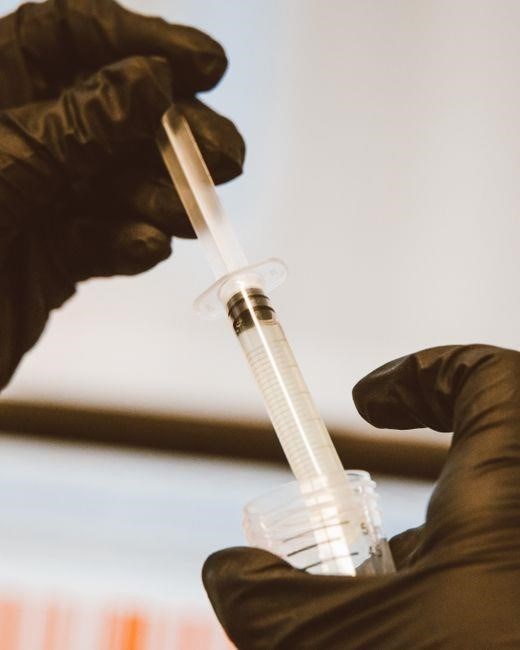
Clinicians can lower ultrasound‑guided steroid injection expenses through several evidence‑based tactics․ First, bulk purchasing of corticosteroid vials and local anesthetics from a single supplier reduces unit price by 10–15 %․ Second, sharing high‑end ultrasound machines among multiple specialties spreads capital amortization, cutting per‑procedure overhead by 25–35 %․ Third, adopting a single‑use, pre‑filled syringe system eliminates waste and streamlines workflow, saving 5–10 % in consumables․ Fourth, scheduling multiple injections in one visit allows a bundled discount of 10–15 % for patients, lowering out‑of‑pocket costs while maintaining revenue․ Fifth, integrating tele‑consultation for pre‑procedure triage reduces administrative time by 15 % and frees staff for additional cases․ Sixth, negotiating flat‑rate contracts with insurers for CPT 20610/20611 can secure predictable reimbursement, reducing claim denials․ Seventh, training staff in efficient aseptic technique shortens procedure time, enabling more patients per day and improving cost‑efficiency․ Finally, leveraging regional cost‑sharing agreements and shared‑care models can align provider incentives with patient affordability, fostering sustainable practice growth․ These strategies collectively lower the average cost per injection by 20–30 %, enhancing access for patients and profitability for providers․
Additionally, providers can implement a tiered pricing model that offers discounted rates for patients who pay upfront or use a health savings account․ By bundling imaging, medication, and injection into a single fee, clinics reduce billing complexity and administrative overhead, cutting costs by 8–12 %․ Training staff in rapid, standardized injection protocols shortens procedure time by 10–15 %, allowing more patients per day and improving revenue per hour․ Finally, collaborating with regional pharmacies to secure discounted steroid formulations can lower drug costs by 15–20 %․ These combined measures can reduce the average cost per ultrasound‑guided steroid injection by up to 35 %, improving patient access and clinic sustainability․
Patients should also explore manufacturer coupons and assistance programs, which can reduce medication costs by up to 25 %․ When with the strategies, expenses fall below $50 for dailyprocedures!!??
Future Trends and Emerging Technologies
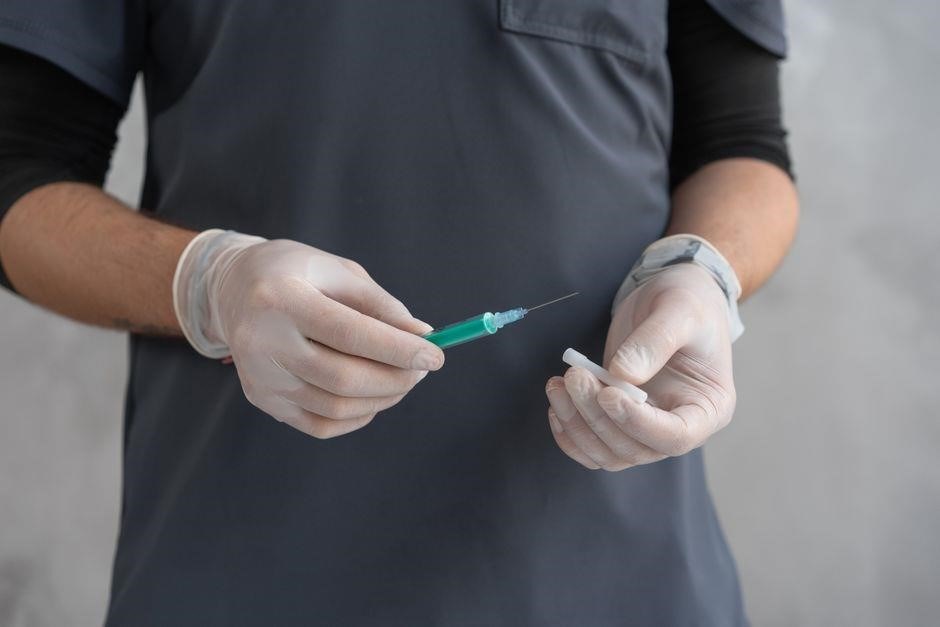
Emerging ultrasound platforms are integrating AI‑driven image analysis, enabling real‑time needle guidance that reduces procedure time and improves accuracy․ Portable, handheld scanners with cloud connectivity lower equipment capital costs and allow point‑of‑care injections in outpatient settings, cutting facility fees by up to 30 %․ Smart syringes that record injection volume, pressure, and location feed directly into electronic health records, streamlining billing and reducing administrative overhead․ Micro‑dose delivery systems use nanotechnology to release steroids in a controlled, sustained manner, potentially decreasing the number of injections needed and lowering long‑term medication costs․ Hybrid imaging that combines ultrasound with low‑dose CT or MRI offers precise anatomical mapping for complex joints, justifying higher upfront imaging costs with improved outcomes․ Tele‑ultrasound platforms enable remote supervision of novice providers, expanding access while maintaining quality standards․ Finally, blockchain‑based credentialing and payment systems promise transparent, secure transactions, reducing fraud and administrative costs․ These innovations collectively aim to bring the average cost of a single ultrasound‑guided steroid injection below $200, while improving patient safety and provider efficiency․By integrating these technologies, clinics can anticipate a 15–20 % reduction in per‑injection cost over the next five years, while simultaneously improving patient satisfaction scores and expanding access to underserved populations!!!․․