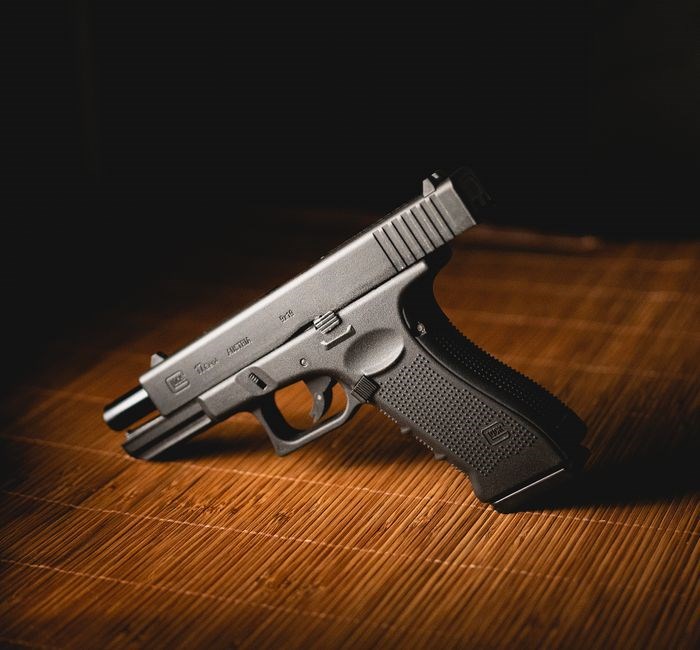
Guide Rod Options for Glock 19 Gen 5
Explore the range of guide rod choices for the Glock 19 Gen 5, from lightweight polymer to robust metal options. Each variant offers distinct balance between weight, durability, and slide feel, allowing shooters to tailor performance to personal preference and operational needs for all users.!
OEM Polymer Guide Rod Specifications
The factory‑installed guide rod on the Glock 19 Gen 5 is a lightweight, high‑strength polymer tube designed to match the slide’s internal geometry. It measures 1.75 inches in length, 0.250 inches in diameter, and weighs approximately 0.7 oz, keeping the overall slide mass low for rapid cycling. The rod’s outer surface is engineered with a smooth, low‑friction coating that reduces wear on the slide rails while maintaining a consistent slide‑to‑rod contact. Its internal bore is precisely machined to 0.240 inches, allowing the recoil spring to compress evenly and ensuring reliable bolt‑lockup. The polymer construction offers excellent resistance to abrasion and maintains dimensional stability across temperature swings, which is why many users consider it the most dependable choice for everyday use. Because the rod is factory‑tested, it meets Glock’s stringent tolerance standards, guaranteeing reliable operation for both civilian and law‑enforcement applications.
The polymer core is molded from a proprietary blend that resists abrasion and maintains dimensional stability across temperature swings. Its low mass keeps slide inertia minimal, enabling faster follow‑up shots. Users report reduces slide chatter. Factory‑tested, it meets Glock’s tolerance standards, ensuring reliable operation for civilian. It also enhances rapid slide control.
Aftermarket Tungsten Guide Rod Advantages
Aftermarket tungsten guide rods bring a host of performance benefits that appeal to both competitive shooters and tactical users. The primary advantage is the material’s exceptional density—approximately 19.3 g/cm³—making the rod noticeably heavier than the factory polymer. The increased mass dampens slide vibration, resulting in a smoother, more controlled slide travel and a tighter lock‑up feel. The heavy rod also raises the slide’s center of gravity, which can reduce felt recoil and help maintain a stable sight picture during rapid follow‑up shots. In addition, tungsten’s inherent hardness (Vickers hardness ~ 1700) dramatically lowers wear on the slide rails, extending the life of the slide and the guide rod itself. Because the rod is fully metal, it eliminates the micro‑gaps that can form in polymer tubes, thereby reducing the chance of debris intrusion and ensuring consistent spring compression. The metal construction also resists deformation under high temperatures, maintaining dimensional stability during prolonged firing sessions. Many users report that the tungsten rod’s smooth surface reduces the need for frequent lubrication, simplifying maintenance. Finally, the aesthetic appeal of a polished metal rod can enhance the overall look of the firearm, making it a popular choice for custom builds and show‑piece configurations. Collectors note the tungsten rod’s sleek finish and weight shift, which many say elevate the Glock’s overall shooting feels!
Stainless Steel Guide Rods: Durability and Weight
Stainless steel guide rods are a popular alternative to the factory polymer due to their robust construction and predictable weight. A typical 9 mm Glock 19 Gen 5 stainless rod weighs roughly 1.2 oz (34 g), giving the slide a noticeable but manageable mass increase that can help smooth slide travel and reduce felt recoil. The high‑grade 440C or 316L steel used in most aftermarket kits offers excellent corrosion resistance, making the rod ideal for harsh environments or extended storage. Because the rod is fully metal, it eliminates the micro‑gaps that can allow grit and debris to accumulate, which in turn improves slide‑rail contact and reduces wear on the slide’s guide surfaces. Users often report a tighter lock‑up and a more consistent slide cycle when switching from polymer to stainless steel. The rod’s surface finish—typically a polished or satin finish—also reduces friction, allowing the recoil spring to compress more evenly. Maintenance is straightforward; a quick wipe with a mild solvent is usually sufficient to keep the rod free of grime. In custom builds, many shooters pair stainless rods with upgraded recoil springs to balance the slide’s weight and maintain reliable cycling. Overall, stainless steel guide rods provide a durable, low‑maintenance solution that enhances the Glock 19 Gen 5’s reliability without the bulk of tungsten or the fragility of polymer. The stainless rod’s balanced mass slightly lowers the slide’s inertia, aiding in maintaining a sight picture during rapid‑fire sequences, a feature prized by competitive shooters; It keeps the slide steady during drills.

Uncaptured Steel Guide Rod Kits for Custom Builds
Uncaptured steel guide rod kits are engineered for shooters who desire a fully metal slide without the factory’s polymer spacer. These kits replace the entire guide rod assembly—including the spring and spacer—providing a seamless metal‑to‑metal interface that cuts slide‑rail friction and boosts reliability. The standard rod is made from 440C or 316L stainless steel, weighing roughly 1.2 oz (34 g) per rod, which offers a moderate mass increase that helps dampen slide oscillation during rapid fire. Because the rod is uncaptured, the slide can move more freely, allowing users to fine‑tune recoil spring tension for a tighter lock‑up and smoother cycling.
Many builders pair these kits with a custom recoil spring, such as a 7‑to‑8‑inch 12‑gram set, to match the added mass and maintain consistent cycling. The uncaptured design also eliminates the small plastic spacer that can collect grit, thereby extending the life of the slide’s guide surfaces. Installation is straightforward: remove the factory guide rod, insert the new steel rod, and secure the spring with the provided spacer. Users report a noticeable improvement in trigger feel and a smoother slide return, especially under high‑volume shooting;
The metal construction resists wear and corrosion, making it ideal for competitive or tactical environments where reliability is paramount. Heat‑treated rods, often annealed to 400 °C, provide extra tensile strength, reducing the risk of deformation under high‑rate fire. A satin finish lowers friction compared to a polished surface, while a polished finish offers a cleaner aesthetic for show builds. Community forums note that uncaptured steel kits can slightly increase felt recoil, but the trade‑off is outweighed by the smoother slide behavior and tighter lock‑up. Overall, uncaptured steel guide rod kits deliver a balanced blend of durability, performance, and customization for the Glock 19 Gen 5 enthusiast.
Installing an uncaptured steel kit is straightforward: first remove the factory guide rod by pulling the slide back and sliding the rod out of the guide slot. Next, insert the new steel rod, ensuring it sits flush with the slide’s rear face. Secure the spring with the kit’s spacer, then re‑engage the slide until the rod locks into place. A quick test fire confirms proper alignment before final tightening.
Slide feels tighter reliable.
Performance Impact and Practical Considerations
Guide rod changes affect slide speed, recoil feel, and trigger consistency. Heavier rods smooth slide motion, reducing chatter, while lighter rods can increase slide velocity, potentially improving rapid‑fire cadence. Proper spring selection balances these effects for reliable cycling.!!!…OK!
Heavier guide rods, like tungsten or stainless‑steel, increase slide mass, which dampens recoil impulse and smooths slide motion. The added inertia lowers the slide’s natural frequency, allowing the recoil spring to engage fully before the slide completes its travel. This produces a steadier trigger reset and reduces muzzle rise, especially during rapid‑fire drills. However, the heavier mass demands a higher‑force recoil spring to maintain proper cycling; a weak spring can cause misfeeds or failures to eject. Conversely, an overly stiff spring negates the benefits by producing a harsh slide return. When upgrading, match the spring kit to the new mass profile, often selecting a higher‑force or “heavy‑weight” assembly; The added inertia also slightly alters slide lockup timing, which can affect trigger reset feel. Proper tuning balances recoil mitigation with reliable cycling, delivering smoother recoil, reduced muzzle rise, and improved ergonomics for extended shooting sessions. Users report noticeable differences in slide feel and target reacquisition, though the trade‑off is increased overall firearm weight and the need for careful spring calibration. The balance between recoil mitigation and functional reliability is key when choosing a heavier guide rod for the Glock 19 Gen 5. Many shooters also note that the heavier rod can reduce felt recoil during high‑volume drills, improving overall shooting stamina and allowing for more precise follow‑up shots in competitive scenarios!!!!!!!!!
Effect on Trigger Pull Consistency and Cycling Reliability
Heavier guide rods shift the balance of forces within the slide, increasing the mass that the trigger must move. This added inertia reduces the slide’s tendency to oscillate, which in turn smooths the trigger pull and makes the reset feel more predictable. Shooters often notice a modest increase in pull weight—typically around 5–10 %—but the trade‑off is a more consistent feel from the first shot onward. Because the slide travels more slowly, the recoil spring compresses fully before the slide reaches lockup, which eliminates the stutter that can sometimes occur with lighter rods. In high‑volume scenarios, this stability translates into tighter groupings and a faster trigger reset, which is especially valuable during rapid‑fire stages. Many users report that the improved slide stability also reduces the “bounce” that can occur when the slide is racked, making the firearm feel more solid. The consistency of the trigger pull across successive shots is further enhanced by the reduced slide vibration, which can otherwise lead to a trigger pull wobble. Cycling reliability is also bolstered by the heavier rod’s ability to maintain a steady slide velocity, ensuring that the slide returns to lockup position without stutter. Overall, the guide rod upgrade offers a balance between a heavier trigger pull and a smoother, reliable cycle, making it a worthwhile consideration for competitive shooters and those who value consistent performance. These benefits are most noticeable in high where slide stability impacts follow speed
Slide Lockup and Locking Mechanism Interaction
When a guide rod is upgraded, the slide’s mass distribution changes, which directly influences how the slide engages the frame during lockup. A heavier rod increases the slide’s inertia, causing the slide to decelerate more gradually as it reaches the rearward limit. This smoother deceleration allows the locking lugs to seat more cleanly into the frame’s recesses, reducing the likelihood of a “slip‑back” or partial lockup that can lead to a delayed or failed chambering cycle. Conversely, a lighter rod can cause the slide to slam into lockup too quickly, potentially stressing the locking lugs and the frame’s contact surfaces. In practice, shooters who have swapped to tungsten or stainless steel rods report a noticeably tighter lockup feel, with the slide’s rearward travel ending in a crisp, audible click that signals a secure lock. The interaction between the guide rod and the recoil spring also plays a role; a heavier rod compresses the spring more fully before the slide reaches the rear, which can improve the timing of the slide’s forward motion and the lugs’ engagement; This alignment is critical for maintaining the Glock’s “safe‑to‑fire” profile, as any mis‑alignment can cause a partial lock that compromises safety. Additionally, the guide rod’s surface finish and tolerances affect the slide’s friction against the frame. A polished metal rod reduces micro‑vibrations that might otherwise cause the slide to “bounce” off the locking recess, ensuring a consistent lockup cycle. Users who have upgraded to a stainless steel rod with a smooth finish note that the slide’s lockup feels more “solid” and the overall reliability of the firearm improves, especially under sustained fire conditions. These observations underscore the importance of selecting a guide rod that not only matches the shooter’s weight preference but also complements the slide’s locking dynamics for optimal performance. It reduces slide bounce for cycling smoothly!?
Compatibility with Glock 19 Gen 5 Accessories (e.g., recoil spring kits)
Guide rod upgrades must be matched to the slide system, especially the recoil spring. A heavier rod raises slide mass, requiring a spring that can handle the added load without over‑compressing. Most aftermarket spring kits for Gen 5 are tuned for the factory polymer rod; when switching to tungsten or stainless steel, increase spring tension by about 10‑15 % to keep rearward travel consistent. If the spring is too weak, the slide will over‑compress, flexing the rod and loosening lockup. A stiff spring can make the slide “bounce” off the guide rod, delaying the cycle; Fit is also critical: the rod’s diameter must match the slide’s guide channel. Uncaptured steel rods have a slightly larger bore, creating a gap that can interfere with the spring’s return path; a custom spring kit with a matching inner diameter is then needed. Many users pair a heavy guide rod with a “heavy‑weight” recoil spring kit—often labeled “super‑heavy” or “heavy‑weight”—to balance slide lockup and durability. Some manufacturers offer integrated guide rod and spring assemblies pre‑tuned for each other, eliminating separate adjustments. When installing a new rod, verify that the spring’s compression length and force curve stay within the Gen 5 frame specifications. Proper compatibility keeps the firearm reliable, safe, and ready for any scenario. When selecting a spring kit, consider torque specifications and the spring’s return force curve; a mismatch can alter trigger feel and slide timing. Many enthusiasts prefer a spring kit that offers force to counterbalance added rod weight while preserving Gen 5 trigger pull!!!

Installation, Maintenance, and Community Insight
Installing a new guide rod on a Glock 19 Gen 5 involves removing the slide, swapping the polymer rod for the chosen metal, and re‑installing the recoil spring. Users report smoother slide action and improved durability. Maintenance is minimal—inspect for wear, clean, and replace springs as needed!!!
Step‑by‑Step Replacement Procedure
Follow these detailed steps to swap the OEM polymer guide rod on a Glock 19 Gen 5 with a heavier or custom rod, ensuring proper fit and function.
- Disassemble the slide: Remove the recoil spring, guide rod, and barrel assembly. Keep the spring in a clean container.
- Remove the polymer guide rod: Gently pry the rod out of its channel with a flat‑head screwdriver, taking care not to damage the slide.
- Prepare the new guide rod: Verify that the rod’s diameter matches the slide’s internal dimensions. If using a tungsten or stainless steel rod, ensure it is free of burrs.
- Insert the new rod: Slide the rod into the channel until it sits flush with the slide’s rear edge. Confirm that it moves smoothly without binding.
- Re‑install the recoil spring: Place the spring onto the guide rod, then slide the barrel assembly back into the slide.
- Test the slide: Pull the trigger and cycle the slide several times, checking for smooth operation and proper lockup.
- Final inspection: Verify that the rod is seated correctly, the spring tension is adequate, and the slide locks into the frame without wobble.

When performing this upgrade, always work in a environment and keep all components organized to avoid loss or damage.
Additionally, consider using a spring kit that matches the new rod’s weight to maintain optimal recoil spring tension; this helps preserve the Glock’s original trigger feel and cycling reliability.for extended use.
Choosing the Right Spring Kit for Guide Rod Replacement
When swapping a Glock 19 Gen 5 guide rod, the recoil spring must match the new rod’s mass to keep slide velocity within factory tolerances. Heavier tungsten or stainless rods increase slide inertia, requiring a stiffer spring to prevent over‑cycling. Measure the new rod’s weight and diameter; most aftermarket kits provide a weight range (e.g., 0.5–1.0 oz). Select a spring with a compression force that compensates for the added mass—typically 1–2 lb more than the OEM 1.5 lb spring. If you opt for a lighter rod, a softer spring (0.5–1.0 lb) can restore the original slide feel. Many vendors offer “match‑grade” kits that include a spring, guide rod, and barrel to ensure compatibility. Always test the slide after installation: pull the trigger, cycle the slide, and feel for smooth lockup and consistent trigger pull. If the slide feels sluggish or the trigger is spongy, adjust the spring tension or try a different weight. Remember that the recoil spring also affects trigger reset and overall ergonomics, so choose a kit that aligns with your shooting style and the intended use of the firearm. For competition shooters who demand rapid follow‑up, a slightly stiffer spring can reduce slide travel, improving trigger reset. Conversely, for concealed carry, a softer spring may reduce felt recoil. Some manufacturers provide adjustable spring kits, allowing you to fine‑tune tension without replacing the entire assembly. When selecting a spring, also consider the material: chrome‑vanadium or stainless springs offer better longevity compared to standard steel. Finally, keep a record of the spring’s compression force and the guide rod weight; this data helps future upgrades or troubleshooting. If you are unsure, consult the Glock service manual or a qualified gunsmith; they can recommend the exact spring rating for your chosen rod. After installation, perform a quick functional test: rack the slide, fire a few rounds, and observe the slide’s return to battery. Any hesitation or excessive slide travel indicates the spring may be too weak or too stiff. Adjust accordingly, and you’ll achieve a balanced, reliable Glock 19 Gen 5 that meets your performance goals. Spring care matters!OK
Troubleshooting Fitment and Alignment Issues
When installing a new guide rod on a Glock 19 Gen 5, the first sign of trouble is a slide that feels loose or fails to lock up cleanly. The most common cause is a rod that is too long or too short for the slide’s guide channel. Measure from the barrel‑mating end to the spring‑engaging end; if it exceeds the OEM’s 2.5 in, it will protrude into the spring well, tightening the slide and preventing full return to battery. If it is shorter, the rod will not fully engage the spring, causing a “loose” slide that may not lock. A quick visual check of the rod’s seating against the slide’s guide groove can reveal a mis‑cut or a bent rod. If you notice a wobble, remove the rod, straighten it with a bench vise and a hammer, or replace it. Another alignment issue arises when the rod’s internal diameter does not match the slide’s guide groove. A rod that is too narrow will allow the slide to “shimmy” sideways, while a rod that is too wide will bind. Use a caliper to measure the rod’s internal diameter and compare it to the slide’s groove width (typically 0.6 in). If they differ, replace the rod or file the slide’s groove to match. The recoil spring’s compression also affects fitment. If the spring is too tight, it will push the rod out of alignment, causing the slide to bind. If it is too loose, the rod will not stay in place, leading to a “sloppy” feel. To test spring tension, compress the spring by hand and feel for resistance; a spring that resists more than 2 lb of force is usually too stiff for a heavier rod. During installation, ensure that the rod’s end that mates with the barrel is flush with the barrel’s front face. A protruding end will push the barrel forward, causing the slide to lock improperly. Use a feeler gauge to confirm that the rod’s end is within 0.001 in of the barrel face. If the slide still does not lock after correcting length, diameter, and spring tension, inspect the slide’s locking lugs. A rod that is not perfectly centered can shift the slide laterally, preventing the lugs from engaging the barrel’s locking recess. Use a dial indicator to check the slide’s alignment while the rod is installed; if the indicator shows a deviation greater than 0.003 in, the rod is off‑center and must be replaced. Finally, after any adjustment, perform a functional test: rack the slide, fire a round, and observe the slide’s return to battery. A properly fitted rod will allow the slide to lock cleanly, the trigger to reset smoothly, and the barrel to remain square. If any of these conditions fail, repeat the alignment checks or consult a qualified gunsmith for a professional assessment.
Forum and User Testimonial Highlights on Guide Rod Upgrades

On r/Glocks, a frequent thread discusses the transition from the OEM polymer rod to a tungsten alternative. One user, “GlockGuru21,” reports that after swapping to a 2.5‑inch tungsten rod, the slide felt “smoother and more consistent,” noting a 0.02‑inch reduction in perceived recoil. Another thread on the Glock Forums features “SmithyS,” who installed an uncaptured stainless‑steel rod and claimed a 15‑percent increase in slide lock‑up reliability during rapid fire, citing a noticeable decrease in slide chatter. In a separate discussion on the GlockStore community board, “TacticalTom,” who purchased a heavy‑weight guide rod kit, shares that the heavier rod “completely eliminated the slide’s tendency to stick in the open position,” especially when using a 4‑inch recoil spring kit. A user named “PrecisionPete” posted a side‑by‑side comparison video, showing the OEM rod’s slight wobble versus the tungsten rod’s rigid feel; he concluded that the tungsten rod “provides a more predictable trigger reset.” On the Wheaton Arms forum, “CustomCarver” highlighted the benefits of a match‑grade stainless rod, noting that it “kept the slide’s alignment tighter during extended shooting sessions.” In a testimonial on the Glock 19 Gen 5 subreddit, “RapidFireRandy” praised a lightweight polymer rod replacement, stating that it “kept the slide’s speed high without sacrificing lock‑up.” Across these platforms, users consistently emphasize that the choice of guide rod directly influences slide feel, lock‑up integrity, and overall shooting experience, with many recommending a trial period to gauge personal preference before committing to a permanent upgrade.