
Understanding Men’s Suit Size Guides
Proper fit begins with measuring your chest, placing the tape at the base of your neck and extending down․
A two-button jacket is ideal for muscular builds, avoiding emphasis on the waistline․
Navigating men’s suit sizing can feel complex, but understanding the basics ensures a flattering and comfortable fit․ Unlike ready-to-wear clothing with standardized sizes, suits require more precise measurements due to their structured nature and intended silhouette․ A well-fitted suit elevates your appearance and projects confidence, making accurate sizing paramount․
The process begins with understanding that suit sizes aren’t simply Small, Medium, or Large․ They’re typically defined by jacket chest size and pant waist/inseam measurements․ Manufacturers often utilize a dual marking system – ‘W’ for waist and ‘L’ for length – when denoting pant sizes․ However, variations exist between brands, necessitating careful review of individual size charts․
Furthermore, body type plays a crucial role․ Muscular builds require different considerations than leaner frames․ For instance, a two-button jacket with a deeper neckline is often recommended for those with broader physiques to avoid accentuating the waist․ Ultimately, a tailored fit is the goal, and understanding these foundational principles is the first step towards achieving it․
Why Accurate Suit Sizing Matters
Precise suit sizing transcends mere aesthetics; it fundamentally impacts how you present yourself and how comfortable you feel․ An ill-fitting suit can appear sloppy and detract from your overall impression, regardless of the garment’s quality or price․ Conversely, a properly sized suit exudes confidence and sophistication, enhancing your personal brand․
Beyond appearance, comfort is paramount․ A suit that’s too tight restricts movement and causes discomfort, while one that’s too loose appears shapeless and unprofessional․ Accurate measurements ensure the jacket allows for a full range of motion without feeling constricting, and the pants drape correctly without bunching or sagging․
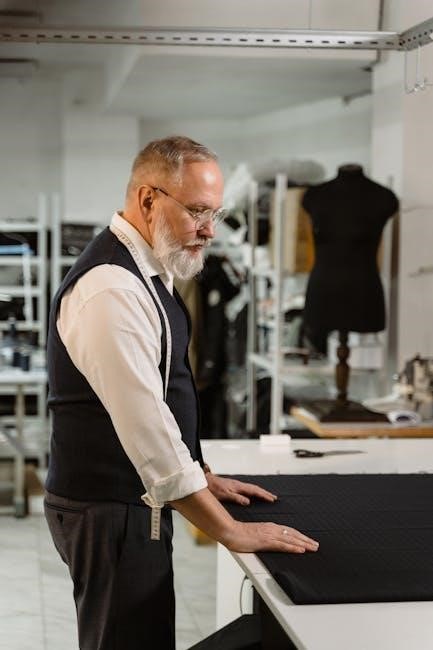
For muscular builds, correct sizing is even more critical․ Choosing a jacket with two buttons and a deeper neckline prevents accentuating the waistline, creating a more balanced silhouette․ Ignoring these details can lead to a suit that doesn’t flatter your physique․ Ultimately, investing in accurate sizing is an investment in your image and well-being․

Measuring for a Suit
Accurate measurements are key! Begin by measuring your chest, waist, sleeve length, and inseam․ Don’t forget neck size – essential for shirt fit and jacket comfort․
How to Measure Your Chest
Chest measurement is the foundation of a well-fitting suit․ To begin, stand naturally with your arms relaxed at your sides․ Ensure you’re not flexing or holding your breath, as this will distort the measurement․
Wrap a flexible measuring tape around the fullest part of your chest, typically across the nipples․ Keep the tape measure level, running horizontally around your body․ It shouldn’t be too tight, allowing for comfortable movement, but also not so loose that it adds extra space․
Position the tape at the base of your neck, ensuring it sits comfortably without constricting․ Extend the tape around your chest and back to meet the starting point․ Record the measurement in inches or centimeters, depending on your preference and the sizing chart you’re using․
It’s often helpful to have a friend assist you with this measurement to ensure accuracy; Double-check the measurement to confirm it’s correct before proceeding․ This chest measurement will be crucial when selecting the appropriate jacket size․
Measuring Your Waist
Accurate waist measurement is vital, especially for those with muscular or fuller builds․ Stand relaxed, with your feet shoulder-width apart and your weight evenly distributed․ Avoid sucking in your stomach or tensing your abdominal muscles, as this will lead to an inaccurate reading․
Locate your natural waistline – this is typically the narrowest part of your torso, usually about an inch above your belly button․ Wrap a measuring tape around your waist at this point, ensuring it’s snug but not constricting․ The tape should be level all the way around your body․

Breathe normally while taking the measurement․ Don’t hold your breath, as this can alter your waist size․ Record the measurement in inches or centimeters․ For optimal results, it’s beneficial to have someone else assist you with this step․
Pay close attention if you have a prominent abdomen; choosing a jacket with two buttons and a deeper neckline can help minimize the appearance of fullness․
Determining Your Sleeve Length
Accurate sleeve length is crucial for a well-fitted suit jacket․ Begin by lightly bending your arm at the elbow․ Have a helper measure from the center back of your neck (where the collar meets your spine) over your shoulder, and down the outside of your arm to your wrist bone․
Ensure your arm is relaxed and slightly bent during the measurement․ A straight arm will yield an inaccurate result․ The measuring tape should follow the natural curve of your arm․ Note the measurement in inches or centimeters․
Generally, suit jacket sleeve length is determined by how much of your shirt cuff is visible․ A standard sleeve length allows approximately ½ to ¾ of an inch of your shirt cuff to show․ Consider your personal preference and the style of the suit when determining the ideal sleeve length․
Remember that jacket length often correlates with arm length; most jackets will fall around the upper hip area․
Measuring Your Inseam
Precise inseam measurement is vital for properly fitted suit pants․ The most accurate method requires wearing shoes similar to those you’ll wear with the suit․ Have a helper measure from your crotch (where your pants naturally crease when bending) down to the top of your shoe heel․
Alternatively, you can measure along the inside of a well-fitting pair of pants․ Ensure the tape measure is straight and taut, following the curve of your leg․ Note the measurement in inches․ This measurement, often denoted as ‘L’ in size charts (W/L), represents the pant length․
Consider your desired pant break – the amount of fabric that folds or creases over your shoes․ Options include full break, half break, quarter break, and no break, each influencing the inseam length needed․
Manufacturer size charts vary, so always consult the specific chart for the brand you’re considering․
Understanding Neck Size
Accurate neck size is crucial for a comfortable and well-fitting suit, primarily impacting shirt collar fit․ To measure, stand straight and relax your shoulders․ Position a measuring tape at the base of your neck, ensuring it’s snug but not constricting․

Extend the tape around the fullest part of your neck, where a shirt collar would naturally sit․ Keep the tape level and parallel to the floor․ Note the measurement in inches; it’s common to round up to the nearest half-inch․
This measurement directly correlates to shirt collar size․ A properly fitted collar should allow enough room for comfortable movement without being loose or gaping․ Consider your build; broader shoulders may require a slightly larger neck size․
Remember that variations exist between manufacturers, so always consult specific size charts․ A well-fitted neck ensures a polished and professional appearance․

Suit Jacket Sizing
Jacket size ranges are standard, but muscular builds benefit from a two-button style with a deeper neckline․ Length should generally fall at the upper hip area․
Standard Jacket Size Ranges
Navigating jacket sizes requires understanding conventional ranges, typically denoted in inches or centimeters․ Common chest sizes for men’s suits begin around 36 inches and extend up to 56 inches or beyond, with corresponding sleeve lengths․ These sizes are often paired with “R” (Regular), “L” (Long), or “S” (Short) designations, indicating the jacket’s overall length and sleeve proportions․
Manufacturers utilize varying size charts, so direct correlation isn’t always guaranteed․ A 40R jacket, for instance, generally fits a man with a 40-inch chest and a regular body build․ However, variations exist․ It’s crucial to consult specific brand size guides before purchasing․ Online retailers frequently provide detailed charts, aiding in accurate selection․
Beyond chest size, consider the jacket’s drop – the difference between chest and waist measurements․ A standard drop is 6-8 inches․ Understanding these ranges and variations ensures a better initial fit, minimizing the need for extensive tailoring․ Remember, a well-fitted jacket is the foundation of a polished appearance․
Jacket Fit for Muscular Builds
Men with athletic or muscular physiques often require adjustments to standard suit jacket sizing․ A common issue is tightness across the shoulders and chest, restricting movement and creating an unflattering silhouette․ To address this, prioritize a jacket with a broader shoulder width and a more generous chest cut․
Opting for a two-button jacket with a deeper V-shaped lapel is highly recommended․ This design minimizes emphasis on the waistline, preventing a bulky appearance․ Avoid peak lapels, which can broaden the shoulders excessively․ Consider a slightly longer jacket length to balance proportions and accommodate broader builds․
Tailoring is essential․ A skilled tailor can reshape the jacket to follow the natural contours of your body, ensuring a comfortable and flattering fit․ Focus on adjustments to the shoulders, chest, and waist to achieve a streamlined look․ Remember, the goal is a jacket that enhances your physique, not constricts it․
Two-Button vs․ Three-Button Jackets & Fit
The choice between a two-button and three-button jacket significantly impacts the overall silhouette and is crucial for achieving a flattering fit․ Two-button jackets are generally considered more modern and versatile, creating a longer, leaner appearance․ They are particularly well-suited for men with broader builds, as they minimize emphasis on the waistline․ The lower button closure draws the eye downwards, elongating the torso․

Three-button jackets, while classic, can sometimes appear more formal or dated․ They tend to create a higher buttoning point, which can make the wearer look shorter or broader․ However, they can be a good option for men with slimmer builds who want to add visual volume․
Regardless of the button count, ensure the jacket fits comfortably across the shoulders and chest without pulling or restricting movement․ Proper tailoring is key to achieving a polished look, adjusting the jacket to complement your body type and personal style․
Jacket Length Considerations
Determining the correct jacket length is paramount for a well-proportioned suit․ Traditionally, a suit jacket should fall approximately at the upper part of the hips, covering the seat․ However, modern trends allow for slight variations depending on personal preference and body type․ Shorter jackets can create a more contemporary, fashion-forward look, while longer jackets offer a more classic and conservative aesthetic․
Consider your arm length when assessing jacket length․ A jacket that is too short can make your arms appear disproportionately long, while a jacket that is too long can overwhelm your frame․ A good rule of thumb is to ensure the jacket covers your rear, providing a balanced silhouette․
Ultimately, the ideal jacket length is one that complements your build and allows for comfortable movement․ Tailoring is essential to achieve a precise fit, adjusting the length to flatter your proportions and enhance your overall appearance․
Suit Pant Sizing
Pants are typically marked with a waist (W) and inseam (L) measurement․ Manufacturers’ size charts vary, so always consult them alongside your personal measurements for the best fit․
Waist (W) and Inseam (L) Measurements
Understanding waist and inseam measurements is crucial for achieving a perfectly fitted suit pant․ The waist measurement (W) represents your actual waist circumference, typically measured just above your hip bones․ It’s vital to measure accurately, as this dictates the comfort and fit around your midsection․ Don’t mistake your pant size for your waist size; these are often different!
The inseam (L), on the other hand, refers to the length of the pant leg, measured from the crotch to the bottom hem․ To determine your inseam, it’s best to measure a pair of well-fitting pants that you already own․ Lay the pants flat and measure along the inner seam․ Alternatively, you can measure from your crotch to where you want the pants to fall on your shoe – considering your preferred pant break․
Remember that size charts can differ significantly between manufacturers and retailers․ Always refer to the specific size guide provided by the brand you’re purchasing from․ Pant sizing is often presented as a combination of W and L, such as 32W x 32L, indicating a 32-inch waist and a 32-inch inseam․
Pant Break Options (Full, Half, Quarter, None)
The “break” refers to the amount of fabric that folds or creases where your pant leg meets your shoe․ Choosing the right break significantly impacts the overall silhouette and style of your suit․ A full break is the most traditional, featuring a noticeable fold – often favored for more formal occasions and classic styles․
A half break offers a moderate fold, providing a balanced look that’s versatile for both business and casual settings․ It’s a popular choice for a contemporary yet refined appearance․ A quarter break shows a minimal fold, creating a cleaner, more modern aesthetic․ This option works well with slimmer-fit suits and more fashion-forward styles․
Finally, no break means the pant leg ends right at the top of your shoe, showcasing a sleek and streamlined look․ This is best suited for slim-fit pants and those who prefer a very contemporary style․ Consider your personal preference, body type, and the overall style of your suit when selecting the appropriate pant break․
Fit for Different Body Types (Slim, Regular, Relaxed)
Understanding your body type is crucial for selecting a suit that complements your physique․ A slim fit suit is tailored closely to the body, ideal for leaner builds․ It emphasizes a modern silhouette, but may restrict movement for broader individuals․ Ensure adequate comfort in the shoulders and chest․
A regular fit offers a classic, balanced silhouette with moderate tailoring․ It provides ample room for movement and suits most body types, making it a versatile choice․ This fit isn’t overly constricting, offering comfort without sacrificing style․ It’s a safe and reliable option for many․
A relaxed fit provides the most generous cut, offering maximum comfort and freedom of movement․ This is best suited for larger builds or those who prefer a more comfortable, less structured look․ However, be mindful of avoiding an overly baggy appearance; tailoring is key to achieving a polished look even with a relaxed fit․

Decoding Size Charts
Manufacturer charts vary significantly; always consult the specific brand’s guide․ Sizes are often marked with W (waist) and L (inseam) measurements for pants, requiring careful review․
Variations in Manufacturer Size Charts
Navigating the world of men’s suit sizing can be surprisingly complex, largely due to the inconsistencies between manufacturer size charts․ What you consider a 40R in one brand might fit entirely differently in another․ This isn’t a matter of poor quality control, but rather a reflection of differing house styles, target demographics, and even regional sizing standards․
Some brands lean towards a slimmer, more modern cut, while others favor a more traditional, relaxed fit․ This impacts how they translate body measurements into suit sizes․ A brand catering to athletic builds might size their jackets with broader shoulders and a more tapered waist, while a brand focused on classic styles might offer a straighter, more generous cut․
Furthermore, online retailers often carry multiple brands, each with its own unique sizing system․ This necessitates checking the size chart for each individual item you’re considering, rather than relying on your usual size․ Pay close attention to both numerical sizes (like chest and waist measurements) and letter sizes (like S, M, L, XL), as these can also vary․
Therefore, relying solely on a general size guide is insufficient․ Always prioritize the specific measurements provided by the manufacturer and, when possible, read customer reviews to gauge how a particular garment tends to fit․
International Size Conversions
When purchasing suits from international retailers, understanding size conversions is crucial to avoid frustrating misfits․ Suit sizes aren’t standardized globally; a European 50, for example, won’t necessarily equate to a US 40 Regular․ These differences stem from varying measurement systems and tailoring traditions․
European sizing generally runs smaller than US sizing․ You may need to add 2-4 inches to your US chest size to find the equivalent European size․ Similarly, UK sizing often differs from both US and European standards, requiring careful conversion using reliable charts․
Inseam measurements, denoted as ‘L’ for length in many charts, are typically consistent across regions (measured in inches), but always double-check․ Waist sizes (denoted as ‘W’) are where the most significant discrepancies occur․ Always consult a detailed conversion chart before making a purchase․
Many online retailers provide built-in size conversion tools, but it’s wise to verify these against a separate, trusted source․ Remember that these are approximations; tailoring is often necessary to achieve a perfect fit, regardless of the origin of the suit․
Online Retailer Size Guides
Navigating online retailer size guides is essential for a successful suit purchase․ Each retailer often presents its unique chart, reflecting the specific cuts and sizing philosophies of the brands they carry․ These guides frequently detail measurements for chest, waist, sleeve length, and inseam, often accompanied by illustrative diagrams․
Pay close attention to whether the guide specifies measurements for the garment itself or the body․ Some charts assume a close fit, while others account for ease of movement․ Look for detailed instructions on how to accurately take each measurement, ensuring consistency․
Retailers frequently offer size recommendation tools, utilizing algorithms based on your inputted measurements․ However, these are not foolproof; always cross-reference with the detailed size chart․ Remember that size charts can be simplified or expanded depending on the manufacturer and store standards․
Don’t hesitate to contact customer support if you’re unsure about sizing․ Many retailers offer personalized assistance to help you find the best fit․ Prioritize retailers with comprehensive size guides and clear return policies․

Additional Considerations
Tailoring is key for a perfect fit, even with accurate measurements․ Adjustments ensure the suit complements your physique, enhancing both comfort and overall appearance․
The Importance of Tailoring
Even with diligent self-measurement and careful selection based on size charts, a truly exceptional suit fit often requires professional tailoring․ Manufacturer size charts, while helpful, can vary significantly between brands and retailers, leading to inconsistencies․ A skilled tailor can address these discrepancies, ensuring the garment conforms precisely to your body’s unique contours․
Tailoring goes beyond simply adjusting length or waist size․ It involves refining the jacket’s silhouette, adjusting sleeve pitch for optimal shoulder fit, and ensuring the pant break is aesthetically pleasing and functional․ For muscular builds, a tailor can expertly shape the jacket to accommodate broader shoulders and chest, preventing a constricted or boxy appearance․ They can also adjust the lapel roll and button stance for a more flattering profile․
Investing in tailoring elevates a good suit to a great one, transforming it from off-the-rack to bespoke-quality․ It demonstrates attention to detail and a commitment to presenting a polished, confident image․ Don’t underestimate the power of a well-tailored suit – it’s the final step in achieving a truly impeccable look․